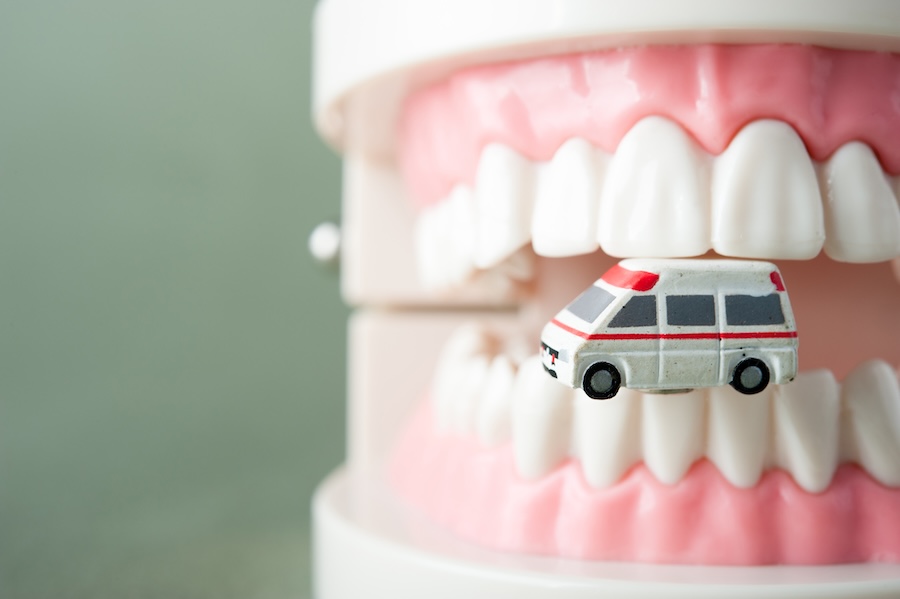
Emergency Dentist in Oakboro – We’re Here to Help When It Matters Most
April 24, 2026A sudden toothache in the middle of the night. A chipped tooth after a fall. Swelling that wasn’t there yesterday but feels impossible to ignore today. Dental emergencies have a way of showing up without much warning, and when they do, they tend to bring a mix of discomfort and uncertainty with them. It’s not just about what’s hurting—it’s about figuring out how quickly you need care and where to go when you need it.
That’s where having a local dental team you can call makes a real difference. At Oakboro Family Dentistry in Oakboro, NC, the focus is on helping patients get the care they need without unnecessary delays, especially when something doesn’t feel right. Even a quick call can help you understand what’s going on and what the next step should be.
What Counts as a Dental Emergency?
Not every dental issue needs to be handled the same day, but some situations are better addressed sooner rather than later. Severe tooth pain is one of the most common reasons people reach out. When discomfort becomes constant or starts interfering with eating, sleeping, or even concentrating, it usually points to something that needs attention below the surface. Waiting it out rarely makes it disappear—it often just allows the problem to progress.
Swelling is another sign that shouldn’t be brushed off. Whether it’s in the gums, face, or jaw, it can be linked to infection, even if the pain isn’t severe yet. Then there are injuries—chipped, cracked, or knocked-out teeth—that tend to happen suddenly and leave little room for guesswork.
Each of these situations can look a little different, but they all have one thing in common: they’re easier to manage when they’re addressed early.
Toothaches That Don’t Go Away
A toothache that lingers tends to change how you go about your day. At first, it might just be sensitivity to something cold or a little discomfort when chewing. Then, gradually, it becomes harder to ignore. You may find yourself avoiding certain foods or chewing on one side without thinking about it. Over time, what started as mild discomfort can turn into something more constant.
That kind of pattern usually points to an underlying issue—whether it’s decay, infection, or a crack that isn’t obvious at first. While it’s tempting to wait and see if it settles, persistent pain is one of those signs that benefits from being checked sooner rather than later. Getting to the source early often means simpler treatment and quicker relief.
Chipped, Cracked, or Broken Teeth
Not all broken teeth feel the same, which can make it harder to know how urgent it is. A small chip may not cause much discomfort at first. You might notice it when you run your tongue along the edge of your tooth or see it in the mirror, but otherwise, it feels manageable. On the other hand, a deeper crack can make the tooth sensitive or uncomfortable, especially when biting down.
In some cases, the discomfort doesn’t show up right away. It may take a day or two before the tooth starts to feel different, which can make it seem less urgent than it actually is. Even so, it’s worth having it evaluated. What looks minor on the surface can sometimes involve more of the tooth underneath, and addressing it early helps preserve as much of the structure as possible.
Swelling, Infection, or Gum Concerns
Swelling tends to be one of the clearer signals that something needs attention. You might notice puffiness in the gums, tenderness in a specific area, or swelling along the jawline. Sometimes there’s a bad taste or a feeling of pressure that doesn’t quite go away. Even if the discomfort isn’t severe, these signs can point to an infection that’s developing below the surface.
Unlike minor irritation, infections don’t usually resolve on their own. Over time, they can spread or become more difficult to treat if left alone. Because of that, swelling is one of those symptoms where it’s better to check in early rather than wait and see how it changes.
Knocked-Out Teeth and Dental Injuries
A knocked-out tooth is one of the situations where timing really matters.
If it happens, what you do in those first moments can make a difference. Keeping the tooth moist—either in milk or by placing it back in the socket if possible—and getting to the dentist quickly gives the best chance of saving it.
Other injuries can be less obvious but still important. A tooth that feels loose after an impact or looks slightly out of position may not seem urgent at first, especially if there isn’t much pain. Still, these changes are worth having evaluated right away. The sooner they’re addressed, the better the chances of stabilizing the tooth and avoiding further complications.
What You Can Do Before You’re Seen
While you’re waiting to come in, there are a few simple steps that can help make things more manageable. Rinsing gently with warm saltwater can help keep the area clean, especially if there’s irritation or swelling. A cold compress placed on the outside of your face can help reduce swelling and ease discomfort. If needed, over-the-counter pain relief can take the edge off until you’re able to be seen.
These steps don’t solve the underlying issue, but they can make the time in between a little more comfortable and prevent things from feeling more overwhelming than they need to.
Why Acting Early Makes a Difference
Dental issues rarely stay exactly the same over time. What starts as a small problem can gradually become more involved, especially if the cause isn’t addressed. A minor crack can deepen. A small area of decay can spread. Swelling can increase as an infection develops.
Because of that, acting early often keeps things simpler. It can mean less invasive treatment, lower costs, fewer appointments, and a quicker return to feeling normal. Even if the issue turns out to be minor, having it checked provides clarity and peace of mind.
Emergency Dental Care in Oakboro, NC at Oakboro Family Dentistry
At Oakboro Family Dentistry in Oakboro, NC, Dr. Charles T. Bobo and Dr. Elisabeth Blackman understand that dental emergencies don’t follow a schedule. When something comes up, the goal is to get you seen, understand what’s going on, and help you feel more comfortable as quickly as possible.
If you’re dealing with tooth pain, swelling, or a dental injury, it’s worth reaching out. You can call the office to talk through what’s happening and get guidance on next steps, or schedule a visit to have it evaluated. Taking that step early can make the situation easier to manage and help you get back to normal sooner.
Contact UsCategorised in: Dental Emergencies

